Renters Insurance in and around Wake Village
Welcome, home & apartment renters of Wake Village!
Rent wisely with insurance from State Farm

Would you like to create a personalized renters quote?
Insure What You Own While You Lease A Home
Your belongings are important and so is keeping them safe. Doing what you can to keep it safe just makes sense! That’s why the most sensible step is getting renters insurance from State Farm. A State Farm renters insurance policy can cover your possessions, from your stereo to your pots and pans. Not sure how much insurance you need? No problem! Derrick McGary is here to help you consider your liabilities and help secure your belongings today.
Welcome, home & apartment renters of Wake Village!
Rent wisely with insurance from State Farm

Quality Renters Insurance
When renting makes the most sense for you, State Farm can help insure what you do own. State Farm agent Derrick McGary can help you develop a policy for when the unexpected, like an accident or a water leak, affects your personal belongings.
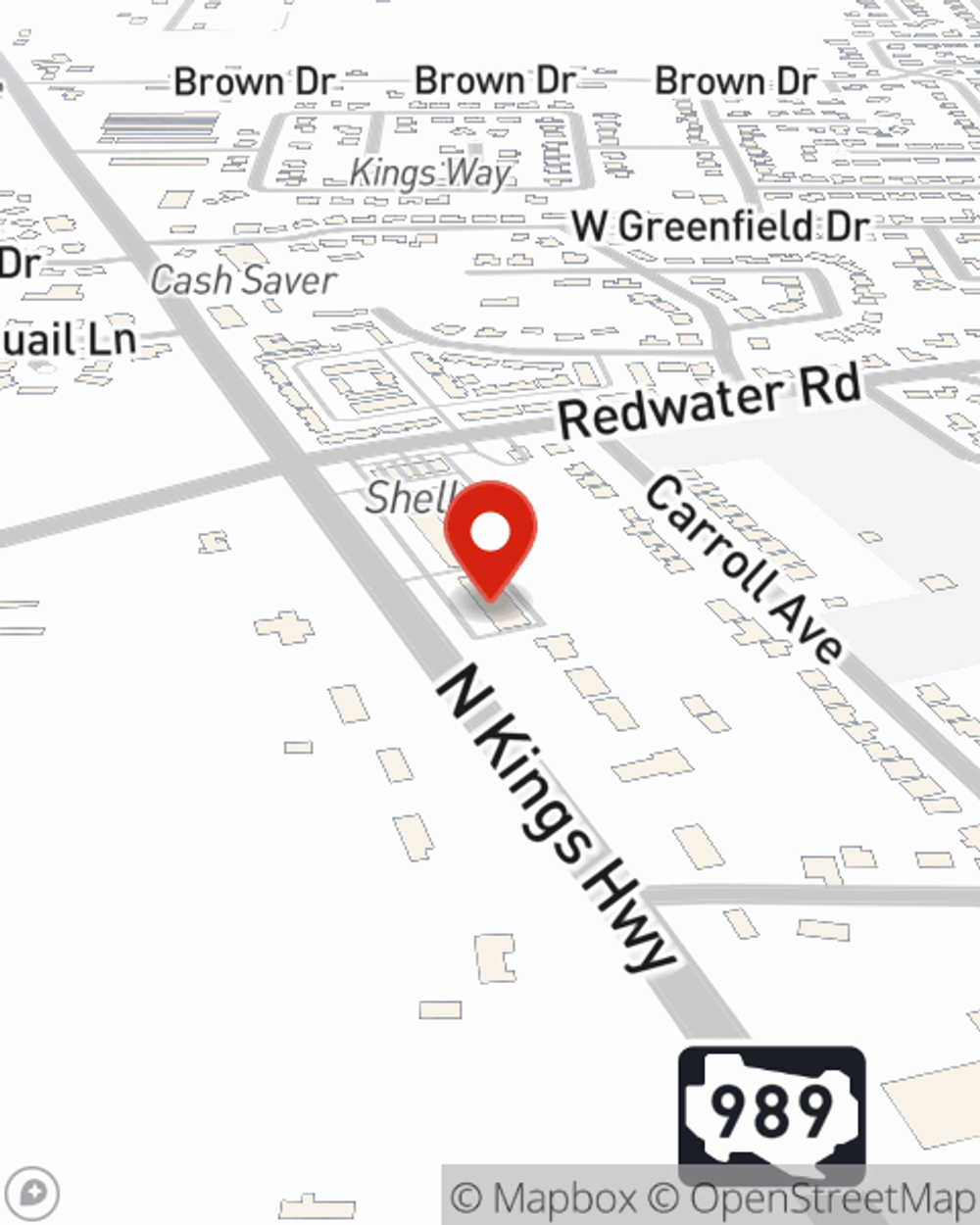
As one of the top providers of insurance, State Farm can offer you coverage for your renters insurance needs in Wake Village. Visit agent Derrick McGary's office to learn more about a renters insurance policy that works for you.
Have More Questions About Renters Insurance?
Call Derrick at (903) 831-2000 or visit our FAQ page.
Simple Insights®
Pros and cons of buying a fixer-upper

Pros and cons of buying a fixer-upper
Buying a fixer-upper? Be aware of the renovation challenges you may face after purchase.
House hunting

House hunting
House hunting can be a time-consuming process, but with some research and foresight, you may be able to avoid wasted time and expensive risks.

Would you like to create a personalized renters quote?
Simple Insights®
Pros and cons of buying a fixer-upper
Pros and cons of buying a fixer-upper
Buying a fixer-upper? Be aware of the renovation challenges you may face after purchase.
House hunting
House hunting
House hunting can be a time-consuming process, but with some research and foresight, you may be able to avoid wasted time and expensive risks.